
How to Recover a Suspended Google Profile
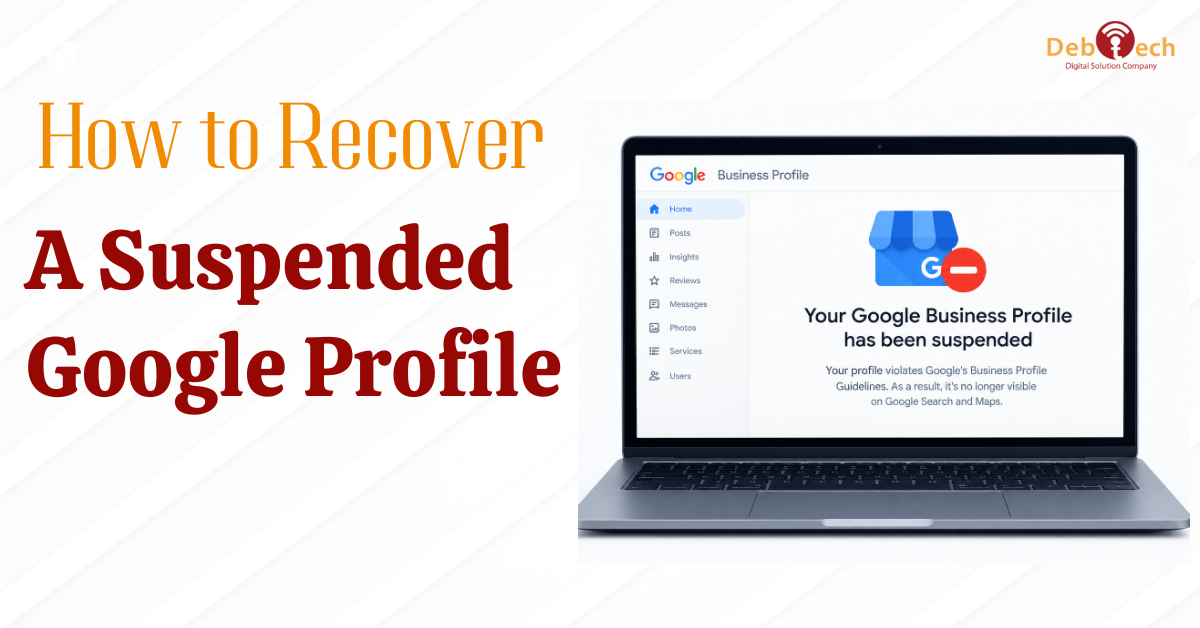
A suspended Google Business Profile can remove your company from Maps and local search results at the exact moment prospects are looking for you. To recover suspended Google profile access, treat the issue as a verification and compliance case - not a quick technical fix. The quality of your appeal, supporting documentation, and underlying business information all matter.
For a local service company, a suspension can mean fewer calls, direction requests, form submissions, and booked appointments. It can also create confusion if customers see an outdated listing, a competitor, or no listing at all. The priority is to restore a compliant profile without creating additional signals that slow down reinstatement.
First, determine what kind of suspension you have
Google generally applies either a soft suspension or a hard suspension. The distinction changes what customers can see and how urgent the cleanup process becomes.
With a soft suspension, the profile may still appear publicly, but the owner loses management capabilities. You may be unable to edit business details, respond to reviews, post updates, or access performance data. A hard suspension typically removes the profile from public visibility, meaning customers may not find it in Search or Maps.
Do not assume the suspension resulted from a single recent edit. Google uses automated systems and manual review to assess listing quality, account activity, business eligibility, and consistency across its ecosystem. A change to your address, business name, primary category, website, service area, or ownership access may have surfaced a problem that existed before the edit.
Common reasons Google profiles are suspended
The most frequent issue is a mismatch between the profile and Google's business representation requirements. Google wants the listing to represent a real, eligible business as customers encounter it in the real world.
A virtual office, mailbox, shared workspace without permanent staffing, or a residential address displayed incorrectly can trigger review. Service-area businesses can use an eligible home-based address, but the address should generally be hidden if customers do not visit that location. Listing a location where your team does not actually operate is a high-risk move.
Business names also create problems. Your profile name should match the name used consistently on your signage, legal and operational materials, website, and customer-facing presence. Adding city names, services, promotional language, or keyword strings to gain search visibility can lead to a suspension. “Smith Plumbing” is defensible if that is your real business name. “Smith Plumbing Best Emergency Plumber in Fairfax” is not.
Other recurring causes include duplicate listings, misleading category selection, a website that does not represent the listed business, suspicious account activity, or a recent ownership transfer. Regulated industries and businesses with changing locations may face additional scrutiny. The practical rule is simple: every field on the profile should be accurate, necessary, and verifiable.
What to do before you submit an appeal
The fastest-looking response is often the wrong one. Do not create a replacement profile, repeatedly change fields while the suspension is active, or submit multiple appeals with conflicting explanations. Those actions can make it harder for Google to understand which listing and which business entity it should trust.
Start by auditing the profile against your actual operations. Review the business name, address, phone number, hours, category, service area, website, and appointment or booking URLs. Compare these details with the information on your website, social accounts, business registration, invoices, signage, and customer communications.
Then gather evidence before starting the reinstatement request. The best evidence is current, business-specific, and consistent with the profile. Depending on your business model, useful materials can include:
- Business registration or licensing documents that show the company name and address
- Utility bills, insurance documents, tax records, or bank statements tied to the operating location
- Photos of exterior signage, interior workspace, branded vehicles, equipment, or inventory
- A website showing the same business name, phone number, service area, and offerings
- Documentation showing your authority to manage the profile when ownership or access is in question
Do not submit documents that have been edited beyond necessary redaction, and do not use another company's paperwork. If the address on your documents differs from the profile, correct the discrepancy honestly and explain it in the appeal. A clear explanation is stronger than trying to force mismatched records to fit.
How to recover a suspended Google profile through appeal
Use the account that owns or manages the affected profile, then follow Google's available reinstatement or appeal process. Before submitting, make sure the profile reflects the compliant version of your business information. If you are uncertain whether a field violates policy, avoid speculative changes and focus on facts you can document.
Your written appeal should be short, direct, and evidence-led. State that your business is legitimate, identify the correction you made if applicable, and explain how your attached documentation supports the listing. Avoid emotional language, accusations, or generic statements such as “we did nothing wrong.” The review team needs a verifiable case, not a long narrative.
For example, a service-area contractor might explain that the profile address has been hidden because customers are not served at that location, that the business name now matches its registration and website, and that attached documents confirm the business identity and operating address. This is specific, relevant, and easy to validate.
After submission, monitor the email associated with the Google account. Google may request additional information or issue a decision without a detailed explanation. Response times vary, so plan for operational continuity rather than promising customers an immediate restoration. Your website, paid campaigns, social channels, and email communications should provide reliable contact paths while the profile is under review.
When an appeal is denied
A denial does not automatically mean the business is ineligible. It often means the evidence did not resolve the concern, the profile still contains a policy conflict, or the case was too vague to verify.
Re-read the profile from the perspective of a reviewer who has never heard of your company. Can they confirm your real-world name, location model, and service offering in a few minutes? Does your website show a different phone number, business name, or address? Does an old duplicate listing create confusion? Are you using a category that overstates what you actually provide?
Correct only the issues you can support, then submit a focused follow-up through the available review path. If Google's support team requests video verification or additional records, follow the instructions exactly. Improvising with staged photos, borrowed locations, or inaccurate information can turn a recoverable suspension into a more persistent problem.
Protect your profile after reinstatement
Reinstatement is the time to improve governance. Many suspensions occur because several people, agencies, or former employees have access and make uncoordinated edits. Keep ownership with a trusted business-controlled Google account and grant the minimum level of access necessary to other users.
Maintain one source of truth for your company name, phone number, hours, address rules, categories, and service areas. When your business moves, changes its legal name, opens a staffed location, or changes customer-facing operations, update your website and core business records first. Then update the Google profile with documentation ready if verification is triggered.
For businesses competing in Northern Virginia and the DC metro area, local visibility is often a meaningful share of lead generation. That makes profile compliance a revenue protection issue, not a minor directory task. Debtech helps businesses align local search assets with the websites, conversion paths, and marketing systems that turn search demand into measurable opportunities.
A suspended profile is disruptive, but it also exposes weak points in your digital operations. Build a profile that accurately reflects how your business works, document the facts behind it, and make every future update deliberate. That approach gives Google more reason to trust your listing and gives customers a clearer reason to choose you.